

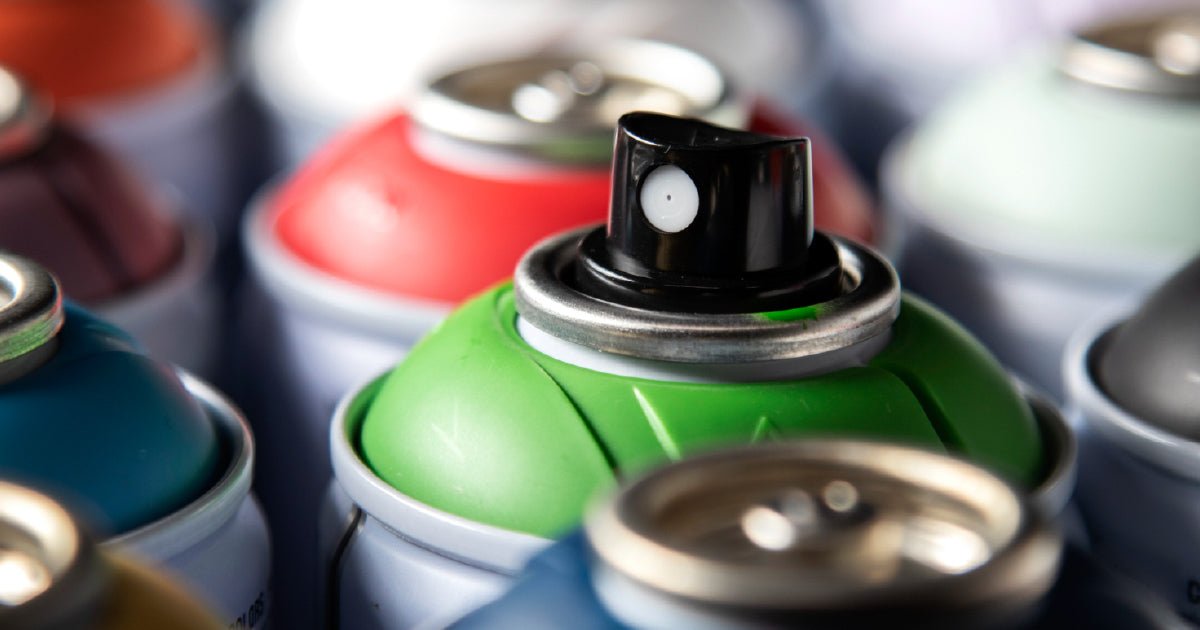
Marking 101: How to Choose and Use Spray & Mark Paint Like a Pro
Discover how Dy-Mark Spray & Mark paints make jobsite marking faster, cleaner, and more accurate. Ideal for construction, landscaping, surveying, and more.
When Speed, Precision & Visibility Matter — You Spray Smarter
In the fast-paced world of construction, landscaping, and site prep, accuracy isn’t just helpful — it’s essential. That’s where Dy-Mark’s Spray & Mark comes in. This tried-and-tested aerosol marking paint is built for tradies, surveyors, civil contractors, and anyone who needs to make their mark — fast.
Welcome to this week’s Tech Tuesday, where we spotlight job-ready tech that saves time and gets it right the first go.
Smart Simplicity: Marking Paint with a Purpose
Dy-Mark Spray & Mark is more than just paint in a can. It’s a purpose-built tool for:
-
Construction layout
-
Surveying reference points
-
Landscaping lines
-
Utility marking
-
Excavation and trenching
With a high-opacity formula and vibrant colours, you get crisp lines that stand out — even on rough or dusty surfaces.
Smart Simplicity: Marking Paint with a Purpose
-
Fast Drying: Touch-dry in minutes — no waiting around on site.
-
360° Spray Action: Inverted can design for easy downward spraying.
-
Durable Finish: Weather-resistant and long-lasting on multiple surfaces.
-
Clean Application: Controlled nozzle for precise, low-mess marking.
-
Colour Variety: From classic white and yellow to blue, red, green, and pink — perfect for utility marking systems.
Built for the Jobsite
Whether you’re plotting a fence line, marking underground assets, or laying out excavation zones, Spray & Mark delivers. It's compatible with most line marking applicators, making it an even easier choice for larger jobs\
*** pending review ***
Colour Significance
In Australia, there is a standard paint colours for utilities:
|
Colour |
Role |
|
White |
Managers, engineers, supervisors. |
|
Yellow |
General labourers and earthmoving operators. |
|
Blue |
Electricians, carpenters, and technical operators. |
|
Red |
Firefighters and emergency personnel. |
|
Green |
Safety officers and inspectors. |
|
Orange |
Road crews and traffic marshals. |
|
Pink |
Typically used by visitors or as a spare. |
Service Life and Replacement
Regularly inspect your hard hat for signs of wear, such as cracks, dents, or fading. Exposure to sunlight, chemicals, and temperature extremes can degrade the materials. It's advisable to replace the shell every two to three years and the suspension system annually, or immediately if damage is detected.
Proper Usage
- Fit: Adjust the harness to ensure a snug fit without discomfort.
- Position: Wear the hard hat level, with the brim facing forward.
- Accessories: Only use manufacturer-approved attachments to avoid compromising safety.
Compliance
Ensure your hard hat complies with AS/NZS 1801:1997. Look for clear markings indicating the manufacturer, date of production, type of helmet, and standard compliance.
For a selection of compliant hard hats and accessories, visit AIMS Industrial's Safety Equipment section.
Remember, a well-chosen and maintained hard hat is a vital component of personal protective equipment, ensuring safety in hazardous environments.
People Also Ask — Marking & Spray Paint
Q: What is marking spray paint used for?
Marking spray paint is a fast-drying aerosol made for putting clear, durable marks on the ground, equipment, stock and surfaces in industrial, construction, mining and survey work. It is used to mark out survey lines, excavation and utility locations, hazards, inventory, inspection points and rejects. Unlike ordinary spray paint, marking paints are formulated for high visibility, quick drying and use with a marking wand that holds the can upside down, so a worker can walk and spray lines onto the ground without bending. The result is a quick, weather-resistant mark that stays legible until the job is done.
Q: What is the difference between line marking and survey marking paint?
Line marking paint is generally used for more permanent, defined lines — car parks, walkways, factory floor demarcation — and is often applied with a line-marking machine for a crisp, lasting stripe. Survey or spot marking paint is designed for temporary, fast field marking of points, arrows and notes, typically sprayed from an inverted can or wand, and is meant to fade or wear away over weeks rather than last for years. The practical difference is permanence and application method: choose line marking where you want a durable, neat line, and survey marking where you want quick, temporary, high-visibility marks in the field.
Q: How should marking paint be applied for best results?
Shake the can well so the pigment and propellant mix, then hold it at the distance the manufacturer recommends — too close floods and runs, too far gives a thin, fuzzy mark. For ground marking, an inverted can or a marking wand lets you spray consistent lines while standing. The surface should be reasonably clean and dry for the paint to adhere and stay visible; loose dust, water or oil shorten the life of the mark. Apply in steady passes rather than one heavy coat, and invert and purge the nozzle after use so it does not clog. These habits give crisp, lasting marks and a longer-lasting can.
Q: Will marking paint wash off or is it permanent?
It depends on the type. Temporary survey and inverted marking paints are designed to weather and wear away over a period of weeks, which is exactly what you want for utility locating or short-term layout. Line marking and more durable paints are made to last much longer on hard surfaces. On porous surfaces like concrete and asphalt, even temporary marks can persist longer because the paint soaks in, while on smooth or sealed surfaces they wear faster. If you need the mark gone afterwards, choose a temporary marking grade; if you need it to stay, choose a durable line-marking product and prepare the surface well.
Q: Can marking paint be used on grass and soil?
Yes — temporary marking paints are widely used on turf, soil, gravel and bitumen for survey, sports-ground and construction layout. On grass the mark sits on the blades and naturally disappears as the grass grows and is mowed, which makes it ideal for setting out temporary lines and points. On soil and gravel it marks the loose surface clearly enough to guide excavation and layout. Choose a marking paint stated as suitable for turf or ground marking, apply it with an inverted can or wand, and expect the mark to be temporary, which is usually the intention in these uses.