


When we think of ergonomics, we often think of office workers sitting at keyboards all day. However, ergonomics is about much more than just good posture; it’s also about using the right tools for the job.
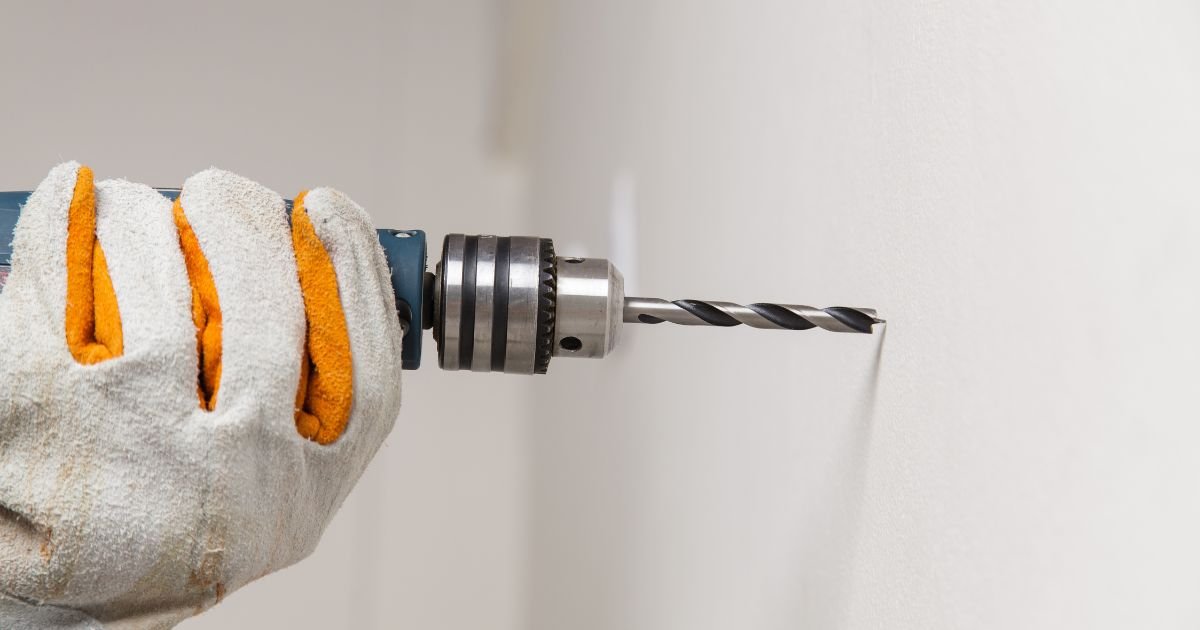
For example, a carpenter who uses a hammer all day would benefit from an ergonomic hammer designed to reduce hand and wrist fatigue. Likewise, a factory worker who operates a drill would benefit from an ergonomic drill designed to minimise vibration. In both cases, using the right tool can help to improve worker productivity and prevent injuries.
What makes a tool ergonomic?
An ergonomic tool is one that is designed to minimise fatigue and strain and maximise comfort and productivity. To be truly ergonomic, a tool must be well-suited to the task at hand and the user’s physiology. For example, a tool that is too heavy or too large for the user will cause fatigue, while a tool that is too small or too light may cause muscle strain.
In addition, the handle of an ergonomic tool should be comfortable to hold, and the grip should be neither too loose nor too tight. For this reason, many of our hand tools feature a soft rubber handle that cushions your grip and makes it easier to carry out tasks without putting stress on your hands, fingers and wrists.
The best ergonomic tools are those that are customised to the specific needs of the user. By taking into account the task at hand, our ergonomic tools can minimise fatigue, strain and discomfort for a range of workers.
Benefits of ergonomic tools
- Efficiency: Ergonomic tools are designed to minimise body strain and improve the efficiency of workers. By using the proper tools for the job, workers can avoid the discomfort that leads to lost time and frequent breaks or pauses in work. When workers are able to work comfortably and without pain, they can perform more efficiently and with greater accuracy.
- Worker safety: When workers use tools that are not properly sized or shaped for their hands, they can experience a number of problems, including muscle strain, tendonitis, and carpal tunnel syndrome. Ergonomic tools can help to reduce these risks by promoting proper hand positioning and placing fewer demands on the muscles and tendons. In addition, ergonomic tools can help workers to avoid fatigue by reducing the amount of force that is required to complete a task. As a result, ergonomic tools can play an important role in preventing work-related injuries.
- Comfort: Ergonomic tools help to increase comfort levels by taking into account the way the body moves and positioning tools and equipment accordingly. For example, an ergonomic drill can help to reduce vibrations and provide a more cushioned grip, providing support for the user. By using ergonomic tools, employers can create a more comfortable work environment for their employees, leading to increased productivity and morale.
How to make your workplace more ergonomic
In any work environment, it is important to consider ergonomics in order to create a safe and productive space. There are a few simple ways to make your workplace more ergonomic, no matter your industry. One way is to purchase ergonomic tools; for example, if you are in manufacturing, warehouse work or construction, we stock specialised tools designed to reduce strain on the body and improve safety.
Another way to improve workplace ergonomics is to get a manual handling or ergonomics assessment by a professional company. This assessment will identify how you can make your workplace safer and more comfortable for your staff.
AIMS' Note on Safe Use of Hand Tools
- Inspection: Before using any tool, carefully inspect it for cracks, chips, loose handles, worn / mushroomed heads or any other signs of damage. Damaged or defective tools may cause harm! Ensure all guards are in place.
- Right tool for the job: Make sure you understand the intended purpose of each tool and choose the correct one for your specific job. Don't try to make a screwdriver work as a pry bar or a wrench as a hammer.
- Safe handling: Carry sharp tools pointed down and away from your body. Never carry tools in your pockets where they can cause injury. When passing a tool to someone, extend the handle first.
- PPE: Wear safety glasses or goggles to protect your eyes from flying debris. Consider gloves depending on the tool and task to prevent cuts or blisters but without compromising comfort, dexterity and protection. If working with noisy tools, wear ear protection.
- Maintenance: Keep your tools clean, sharp and properly maintained. Store them in a safe and organised place when not in use.


People Also Ask — Ergonomic Tools
What makes a hand tool "ergonomic"?
An ergonomic tool is designed to minimise fatigue and strain while maximising comfort and productivity — it must suit both the task and the user's physiology. A tool that's too heavy or too large causes fatigue, while one that's too small or light can cause muscle strain. The handle matters too: it should be comfortable to hold with a grip that's neither too loose nor too tight, which is why many AIMS hand tools feature a soft rubber handle that cushions the grip.
What are the main benefits of ergonomic tools in the workplace?
Three benefits stand out. Efficiency: workers using properly sized tools avoid the discomfort that causes lost time and frequent breaks, so they work faster and more accurately. Worker safety: tools that are poorly sized or shaped for the hand can cause muscle strain, tendonitis and carpal tunnel syndrome — ergonomic tools reduce these risks by promoting proper hand positioning and cutting the force needed to complete a task. Comfort: features like a cushioned grip and reduced vibration (as on an ergonomic drill) create a more comfortable, higher-morale work environment.
How can I make my workplace more ergonomic?
Two practical steps: buy tools suited to the task and industry — manufacturing, warehouse and construction work all have specialised ergonomic tools designed to reduce strain — and get a manual handling or ergonomics assessment from a professional company, which identifies specific ways to make your workplace safer and more comfortable for staff.
What should I check before using a hand tool?
Inspect it first — check for cracks, chips, loose handles, worn or mushroomed heads, or any other damage, and make sure all guards are in place, since a damaged tool can cause harm. Confirm it's the right tool for the job rather than improvising (a screwdriver isn't a pry bar, a wrench isn't a hammer). Carry sharp tools pointed down and away from your body, never in pockets, and extend the handle first when passing a tool to someone. Wear the appropriate PPE — safety glasses or goggles, gloves where cuts or blisters are a risk, and ear protection for noisy tools — and keep tools clean, sharp, well maintained and properly stored when not in use.
Need champion? Browse the AIMS range at champion.
