

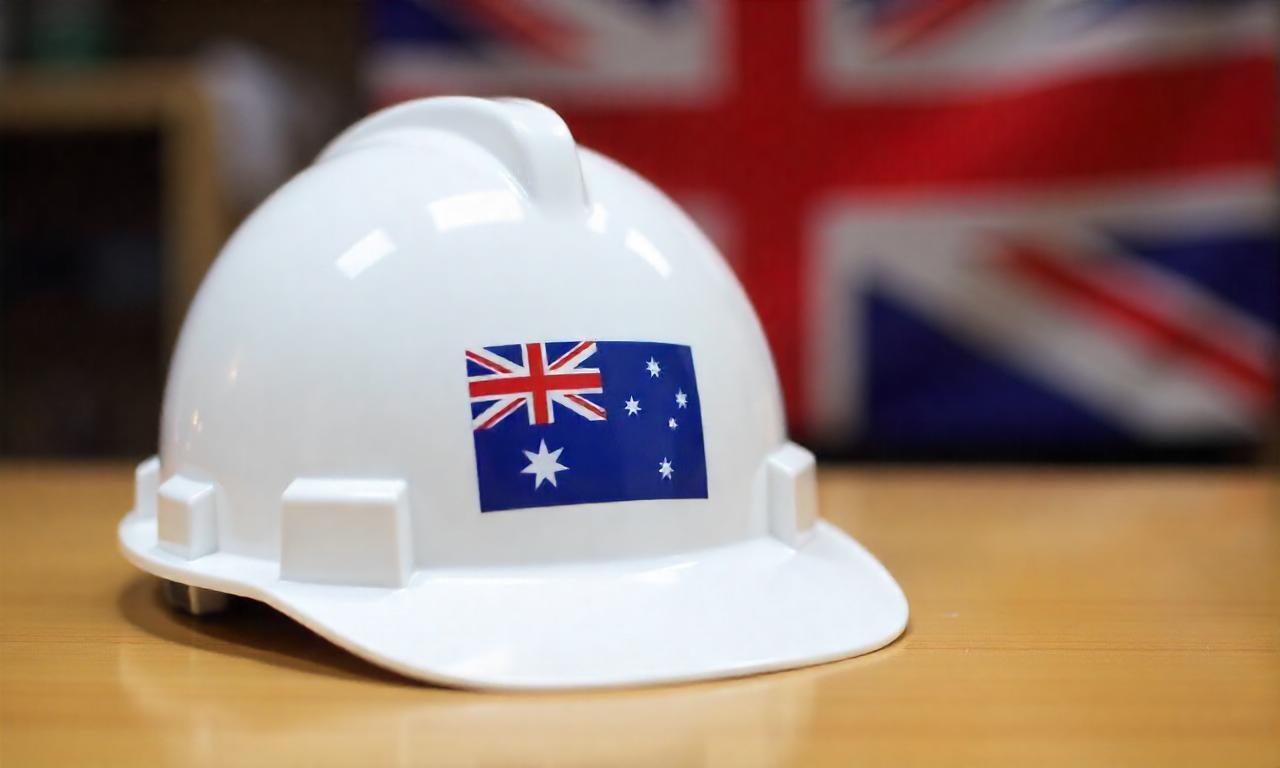
WHS in Australia — Quick Reference
WHS stands for Work Health and Safety. It is the national framework of laws and regulations in Australia that govern workplace safety, replacing the older state-based Occupational Health and Safety (OHS) terminology in most jurisdictions. The framework is built on the Model Work Health and Safety Act, with each state and territory enacting its own version.
What does WHS stand for?
WHS stands for Work Health and Safety. It is the contemporary Australian term for workplace safety legislation, regulation and practice.
What is the difference between WHS and OHS?
WHS (Work Health and Safety) is the harmonised national framework introduced under the Model WHS Act from 2011 onward. OHS (Occupational Health and Safety) is the older terminology that still applies in Victoria and Western Australia, where state legislation has not adopted the Model WHS Act in full. The legal duties are similar in scope but the wording, definitions and penalty structures differ between WHS and OHS jurisdictions.
What is the Model WHS Act?
The Model WHS Act is a template Work Health and Safety law developed by Safe Work Australia. Most Australian states and territories — NSW, QLD, SA, TAS, ACT, NT and the Commonwealth — have enacted their own legislation closely mirroring the Model Act. Victoria and Western Australia retain separate OHS-based frameworks.
It's worth distinguishing this from ISO 45001, the international WHS management-system standard: the Model WHS Act and the state legislation built on it are the legal minimum every business must meet, while ISO 45001 certification is a voluntary, auditable management framework businesses can pursue on top of that legal baseline — not a replacement for it. Read AIMS's ISO 45001 Guide → for what it involves and what it means for your suppliers.
Workplace safety is serious business—and staying updated on Australia's Work Health and Safety (WHS) laws can save you time, money, and lives. Whether you're running a construction site or managing an office, these updates for 2025 will keep you compliant and your team protected.
What's New in 2025?
1. The Engineered Stone Ban
Silica dust is a big deal, and it's not going away anytime soon. Safe Work Australia has rolled out a ban on engineered stone to curb exposure risks. If your team works with concrete or stone, make sure they're equipped with respiratory protection that meets the latest standards.
2. Incident Notification Rules
Have a system in place to report incidents, including psychological hazards. Streamlined rules mean businesses must act fast and be transparent. Set up a workplace safety station with first aid kits and ensure staff are trained to use them.
3. Right to Disconnect
Burnout is real. New laws allow employees to unplug after hours. It's the perfect time to promote healthier work environments by investing in ergonomic office setups.
4. Industrial Manslaughter Legislation
Tasmania is now in line with other states, holding employers accountable for negligence that results in fatalities. Make compliance your mantra. Invest in high-visibility gear to keep your team safe and seen.
5. New Workplace Exposure Limits (WEL)
From hazardous chemicals to airborne particles, workplace exposure limits have been updated. Equip your team with protective gloves and eye protection to meet these stricter standards.
Stay Compliant with the Right Tools
Staying on top of WHS laws is easier when you have the right equipment. Whether it's hard hats, fall arrest systems, or safety signage, AIMS Industrial has you covered.
Why It Matters
WHS laws aren't just rules—they're lifelines. By investing in safety gear and fostering a culture of compliance, you're not just protecting workers—you're protecting your business.
People Also Ask — Stay Ahead: What You Need to Know About WHS Laws in Australia in 2025
Q: What are a PCBU's duties under Australian WHS laws?
A Person Conducting a Business or Undertaking (PCBU) must, so far as is reasonably practicable, ensure the health and safety of workers and others affected by the business. This includes providing safe systems of work, safe plant and structures, safe handling of substances, adequate facilities, and appropriate information, training, and supervision. The duty is not absolute — it is qualified by what is reasonably practicable given cost, likelihood, and severity of harm.
Q: What are the penalties for WHS breaches in Australia?
Under harmonised WHS laws, penalties vary by category. Category 1 (reckless conduct exposing someone to risk of death or serious injury): up to $3 million for a body corporate, $600,000 and/or 5 years imprisonment for an individual. Category 2 (failure to comply with a duty that exposes a person to risk): up to $1.5 million for a body corporate. Category 3 (failure to comply with a duty): up to $500,000 for a body corporate.
Q: Which states have not adopted the harmonised WHS model laws?
As of 2025, Victoria and Western Australia have not adopted the model Work Health and Safety Act. Victoria operates under the Occupational Health and Safety Act 2004 (OHS Act), while Western Australia operates under the Work Health and Safety Act 2020 (which is largely harmonised but with some differences). All other states and territories use the harmonised model WHS Act.
Q: What does 'so far as is reasonably practicable' mean in WHS law?
'So far as is reasonably practicable' means doing what a reasonable person in the same circumstances would do, weighing the likelihood of harm, severity of consequences, available means to eliminate or reduce the risk, and the cost of those measures. It does not require eliminating all risk — it requires a proportionate response. Cost alone is not sufficient reason to ignore a known risk.
Q: What does the 2025 engineered stone ban mean for businesses that cut or work with stone benchtops?
Safe Work Australia has rolled out a ban on engineered stone to curb silica dust exposure risks. Any team working with concrete or stone needs to be equipped with respiratory protection that meets the latest standards — silica dust exposure is treated as a significant, ongoing risk, not a one-off compliance box to tick.
Q: What is the Industrial Manslaughter law introduced in Tasmania in 2025?
Tasmania has brought in Industrial Manslaughter legislation, bringing it in line with other Australian states, holding employers accountable for negligence that results in a workplace fatality. Making compliance a consistent priority — including investing in high-visibility gear and other basic safety measures — is part of managing this exposure.
Q: How have Workplace Exposure Limits (WEL) changed in 2025?
Workplace Exposure Limits covering hazardous chemicals and airborne particles have been updated for 2025. Teams working with substances subject to these limits need protective gloves and eye protection that meet the stricter updated standards.
Q: Does the 2025 incident notification update cover psychological hazards, not just physical injuries?
Yes — the streamlined incident notification rules specifically extend to reporting psychological hazards, not only physical injuries. Businesses need a system in place to report these incidents, act fast, and be transparent, alongside setting up a workplace safety station with first aid kits and training staff to use them.
Browse pan head screws at AIMS Industrial for application support and stock confirmation.
