

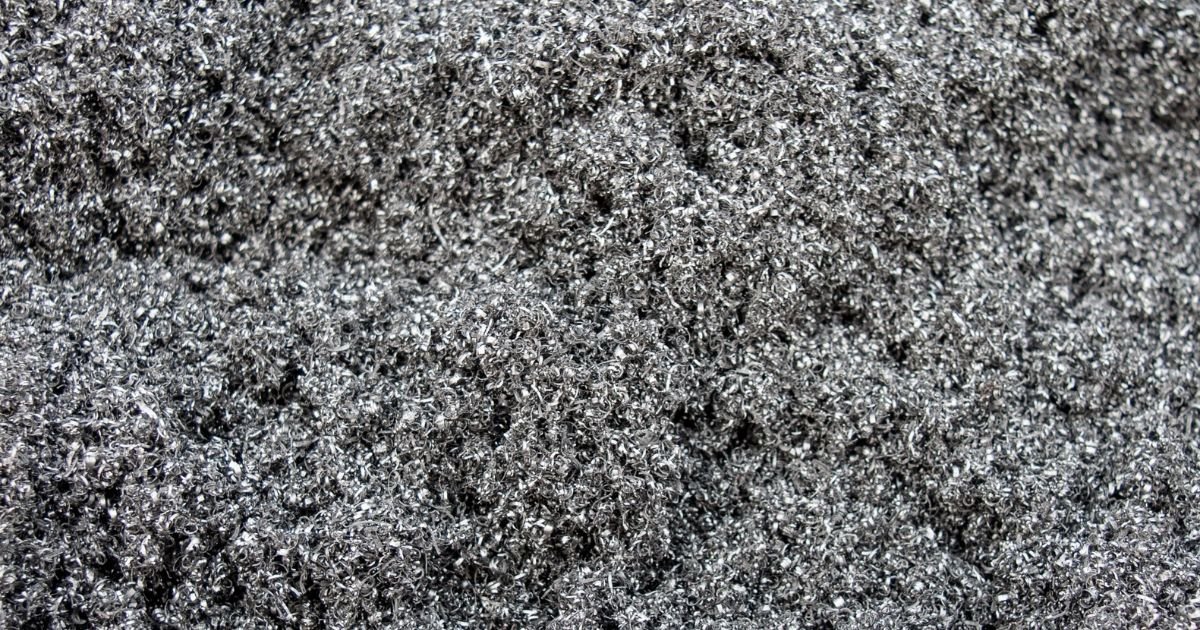

When it comes to best practices in machining, SECO is our first reference – an example being their piece about basic singular patterns in machining.
We thought their article on How to Overcome Chips Challenges might be useful when you are doing machining and metal-cutting work.
In the article, they cover:
- How to influence chip formation
- General description of basic chip types (segmented, continuous, built-up edge, shearing)
- Different types of basic chip cross-sections
- Chip breaking geometries
- Influence of cutting speed on chip formation
They included helpful illustrations as well, such as these examples:
- Different types of basic chip cross sections

- Examples of different chip forms in various workpiece materials

-
Basic principle of a chip-breaking geometry: In general terms, when the rake angle decreases (negative tooling), chip curvature becomes tighter, which leads to shorter, broken chips. Chip breakers serve to reduce the radius of chip curvature and thus break chips into shorter lengths.
- A. Chip
- B. Without chip breaker
- C. With chip breaker
- D. Chip breaker
- E. Tool
- F. Workpiece

As a conclusion, they basically suggest that you take these steps to achieve “trouble-free chip formation”:
- Prioritize the process-optimization criterion: either productivity or cost efficiency.
- If chip formation is acceptable, go to step 5.
If chips are too long, go to step 3.
If chips are too short, go to step 4. - If productivity is important, increase the feed.
If cost efficiency is important, change the chip breaker to a stronger geometry.
Keep the feed within the range of the chip-breaking geometry.
Go to step 5. - If productivity is important, change the chip breaker to a sharper geometry.
If cost efficiency is important, reduce the feed.
Keep the feed within the range of the chip-breaking geometry.
Go to step 5. - If cost efficiency is the priority, lower cutting speeds to improve it.
If productivity is a priority, increase cutting speeds to improve it.
AIMS' note on managing chips
-
Tool geometry: Choose cutting tools with chipbreakers designed for the material you're machining. These chip-breakers introduce interruptions or curves into the cutting edge, forcing the chips to curl and break into smaller, more manageable pieces. Also, selecting the correct nose radius for your insert can help control chip formation.
-
Cutting parameters: Adjust your feed rate and cutting speed. Increasing feed rates often helps break chips, while higher cutting speeds can produce thinner and more manageable chips. However, be careful not to push speeds and feeds beyond the tool's capabilities, as this can lead to tool breakage or poor surface finish. Refer to recommended parameters from your tooling manufacturer as a starting point.
-
Coolant: High-pressure coolant directed at the cutting zone can effectively break chips and flush them away, improving chip control. Ensure your coolant system is working optimally and use the correct coolant type for the job.
-
Machine rigidity: A rigid machine setup helps reduce vibrations that can lead to unpredictable chip formation. Make sure your workpiece and tooling are clamped securely to minimise unwanted movement.
AIMS' Note on Managing Chips
- Tool geometry: Choose cutting tools with chipbreakers designed for the material you're machining. These chip-breakers introduce interruptions or curves into the cutting edge, forcing the chips to curl and break into smaller, more manageable pieces. Also, selecting the correct nose radius for your insert can help control chip formation.
- Cutting parameters: Adjust your feed rate and cutting speed. Increasing feed rates often helps break chips, while higher cutting speeds can produce thinner and more manageable chips. However, be careful not to push speeds and feeds beyond the tool's capabilities, as this can lead to tool breakage or poor surface finish. Refer to recommended parameters from your tooling manufacturer as a starting point.
- Coolant: High-pressure coolant directed at the cutting zone can effectively break chips and flush them away, improving chip control. Ensure your coolant system is working optimally and use the correct coolant type for the job.
- Machine rigidity: A rigid machine setup helps reduce vibrations that can lead to unpredictable chip formation. Make sure your workpiece and tooling are clamped securely to minimise unwanted movement.
- Disposal: Dispose of used abrasives properly per local regulations.


People Also Ask — Metal Chip & Swarf Control
Q: Why is controlling metal chips important?
Swarf control matters for safety, quality and productivity. Long, stringy chips are sharp and hot and can wrap around tooling, the workpiece or the operator, causing injuries and entanglement. A build-up of chips around the cut interferes with the tool, re-cuts and scratches the finished surface, and can jam machine ways and conveyors. Piles of swarf are also a slip and laceration hazard around the machine. Keeping chips short, cleared and contained protects the operator, preserves surface finish and tool life, and keeps the machine running without stopping to clear blockages. It is a core part of efficient, safe machining.
Q: What causes long stringy chips instead of short ones?
Chip form is governed by the material, the cutting parameters and the tool geometry. Ductile materials like low-carbon steel and aluminium naturally tend to form long, continuous chips, while harder or more brittle materials break into short chips. Cutting too slowly, with too light a feed, or with a tool that has no chip-breaking geometry encourages long curling chips. Increasing the feed, using a tool with a chipbreaker, and running the right speed all help the chip curl tightly and snap into manageable pieces. So when you are fighting bird's-nests of swarf, the levers are feed rate, tool geometry and cutting speed.
Q: How do chipbreakers help control swarf?
A chipbreaker is a moulded step or groove on the tool's cutting face that forces the chip to curl tightly as it forms. Once the chip is curled into a small enough radius it becomes brittle and snaps off into short, manageable pieces instead of streaming away in long ribbons. Many indexable inserts come with chipbreaker geometries matched to particular materials and feed ranges. Short chips are safer to handle, clear more easily, and are less likely to wrap around the tool or mar the surface. Choosing an insert with the right chipbreaker for the job is one of the most effective ways to control swarf at the source.
Q: How does cutting fluid help with chip control?
Coolant and cutting fluid help in two ways. First, a well-aimed flow flushes chips out of the cut and away from the work zone, stopping them piling up, re-cutting and scratching the finish. Second, by cooling and lubricating the cut, fluid influences how the chip forms and reduces built-up edge, which keeps chips breaking cleanly. High-pressure through-tool coolant is especially effective at blasting chips clear in deep holes and pockets. So beyond protecting the tool, directing coolant properly is a practical chip-management tool — it keeps the cutting zone clear and the swarf moving toward where you want to collect it.
Q: What is the safe way to clear metal swarf?
Never clear chips by hand or while the machine is running. Stop the spindle and use a proper tool — a chip rake, hook, brush or shovel — and wear gloves and eye protection, because swarf is sharp and often hot. Long stringy chips should be pulled clear with a hook rather than grabbed. Collect swarf into bins promptly so it does not build up into a hazard underfoot, and keep walkways clear. For ongoing production, chip conveyors and guarding manage swarf automatically. Treating swarf as the sharp, hot waste it is — and only clearing it with the machine stopped and the right tool — prevents the cuts and burns that are so common around machining.
Need loc-line? Browse the AIMS range at loc-line.
